The Medicine Hat Women's Shelter Society faces a $500,000 annual operating gap and has gone more than 12 years without a provincial funding increase, the organization's executive director told Monday's Medicine Hat city council meeting.

Natasha Carvalho, executive director of the shelter society, said the shortfall forces the organization to fundraise to maintain programs beyond the basic emergency shelter the province funds, including second-stage housing, outreach, daycare and children's programming that serves roughly 150 kids a year.

0:00
/0:00

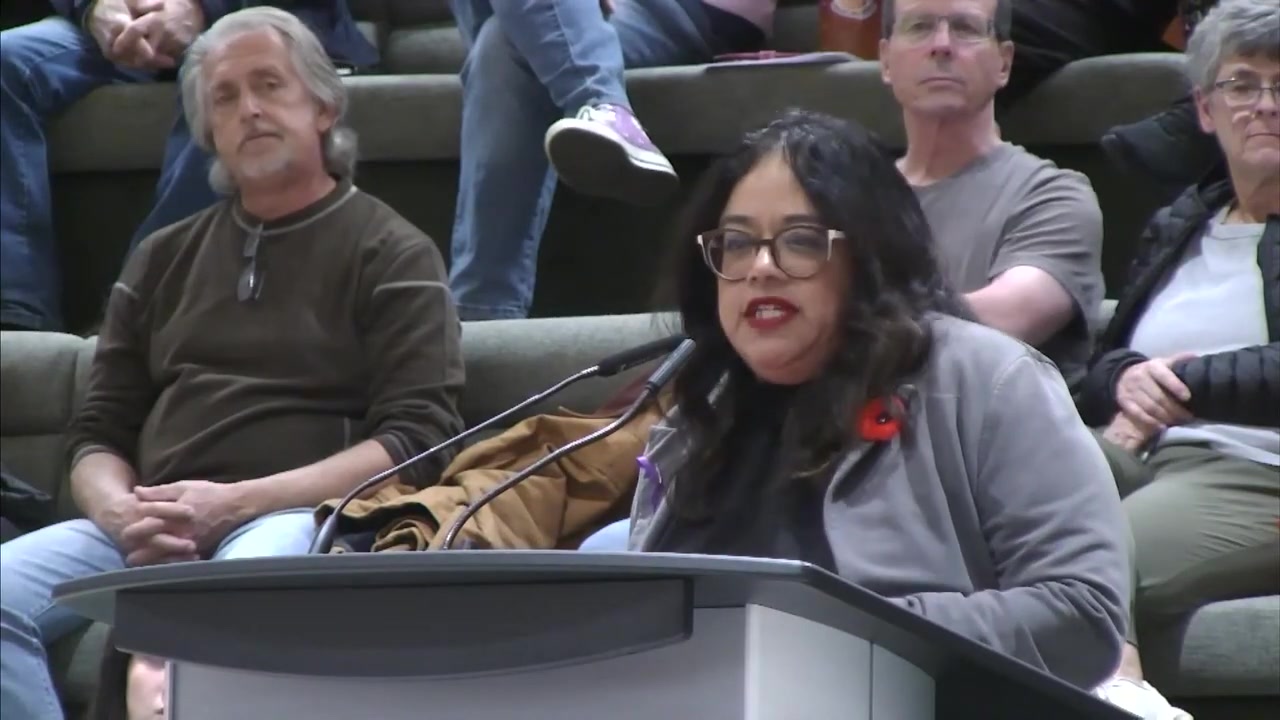
Natasha Carvalho, executive director of the Medicine Hat Women's Shelter Society, explains to city council why provincial funding frozen for more than 12 years forces the shelter to fundraise to maintain programs beyond basic emergency housing. (City of Medicine Hat video)

"If I only did the money with what I was given, I probably would just run an emergency shelter to be really honest," Carvalho said during Monday's council meeting. "I wouldn't be able to have second stage or outreach or the extensive children's program or daycare or outreach or all the things we do."

She said the freeze on provincial operating funding is eroding purchasing power across every budget line. "We haven't received an operational increase from that core funding in over 12 years from the government," Carvalho said. "So what I get on my food line doesn't pay for food as much anymore."

Carvalho also reported a completed renovation of the shelter's main facility, funded in part by a $1.85-million contribution from the City of Medicine Hat — the capital campaign's largest single donation. The project added fire sprinklers, moved the daycare, laundry room and group spaces from the basement to the main floor, gave every upstairs bedroom its own bathroom and expanded bed capacity from 30 to a potential 44.

She said the accessibility changes were driven by the condition of residents arriving at the shelter. "They have been thrown downstairs, they've been badly beaten, they have been strangled, and they're not operating very well," Carvalho said. "So being able to do that renovation and bring everything onto the main floor made things a lot easier for everybody."

The shelter operated at 35 beds on at least some nights during the past year, Carvalho said. Provincial funding still recognizes the facility as a 30-bed shelter, the level used to calculate the operating grant. She told council the current staffing could accommodate 44 beds, though it would be a stretch and could widen the funding gap further.

Rising demand is coming from two directions the shelter had not historically served at the same volume, Carvalho said: seniors leaving long-term or rural domestic situations, and young women being trafficked through systems. She said the shelter is working with the Viner Center on elder abuse cases and expanding staff training on human trafficking.

A capital campaign launched three years ago to fund the renovation still has roughly $1.2 million outstanding. Carvalho asked council members to advocate for increased provincial operating funding when they have the opportunity. "We continue to advocate with the government for increased operational funding," she said, "because we still have about a $500,000 gap that we need to fill every year, and it gets harder and harder to fill it."

Mayor Linnsie Clark and several councillors thanked Carvalho for the presentation. Clark said the shelter is "very much part of the safety net that we have in our community." No council vote or motion on shelter funding was called at the meeting.

The shelter operates a 24-hour helpline, text line and web chat, and accepts anyone fleeing family violence.

Watch the full meeting:

Share this article
The link has been copied!