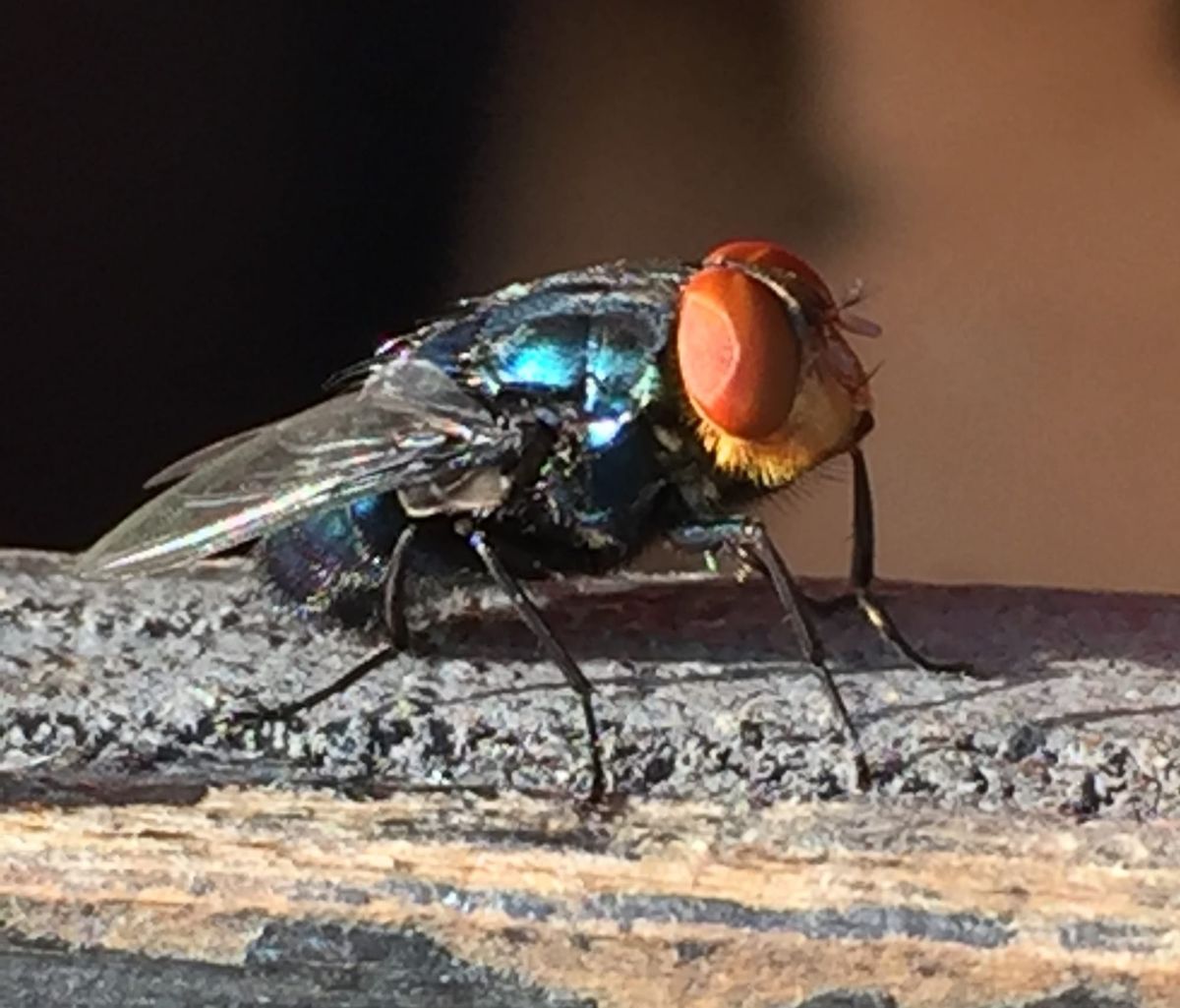
American animal health officials confirmed New World screwworm in a wild elk at a game ranch in Pecos County, Tex., on Wednesday, the first detection of the parasite in U.S. wildlife, while New Mexico officials confirmed a separate case in a beef cow in Otero County the same week.

The U.S. Department of Agriculture's Animal and Plant Health Inspection Service (APHIS) said in a news release the elk was reported after being harvested by a hunter. The Texas Animal Health Commission will modify a previously established infested zone, and USDA and the Texas Parks and Wildlife Department are conducting additional wildlife surveillance in the area.

The New Mexico Department of Agriculture said in a news release that state and federal officials were continuing to expand surveillance and fly-trapping around affected locations to identify any additional cases and determine whether the pest had spread beyond the affected animals.

The Canadian Food Inspection Agency said on its current situation page that screwworm is not present in Canada and that it is monitoring the situation and taking precautionary measures to prevent the introduction of New World screwworm into Canada. The CFIA page notes that Canada's climate is generally not suitable for the long-term establishment of the flies, particularly during winter months, as the flies prefer hot, humid environments with temperatures between 25 and 30 degrees Celsius, though they may survive for a period of time at temperatures as low as eight degrees Celsius.

New World screwworm was eradicated in the United States in 1966. A localized outbreak in Florida was eliminated in 2017. The CFIA said the United States confirmed the pest's re-emergence in June 2026, with the first detection reported in a calf in Texas on June 3.

In Canada, New World screwworm is an immediately notifiable disease under the Health of Animals Act, meaning laboratories are required to contact the CFIA of any suspected or confirmed infestation. The CFIA said import restrictions related to New World screwworm apply to certain live animals, including live cattle and horses.

APHIS said hunters and others who spend time outdoors near infested areas are among the first to encounter affected wildlife and should watch for visible maggots in wounds or body openings, open or enlarging wounds, foul-smelling injuries, and animals that appear weak or isolated. Suspected cases can be reported through Screwworm.gov.

Share this article
The link has been copied!