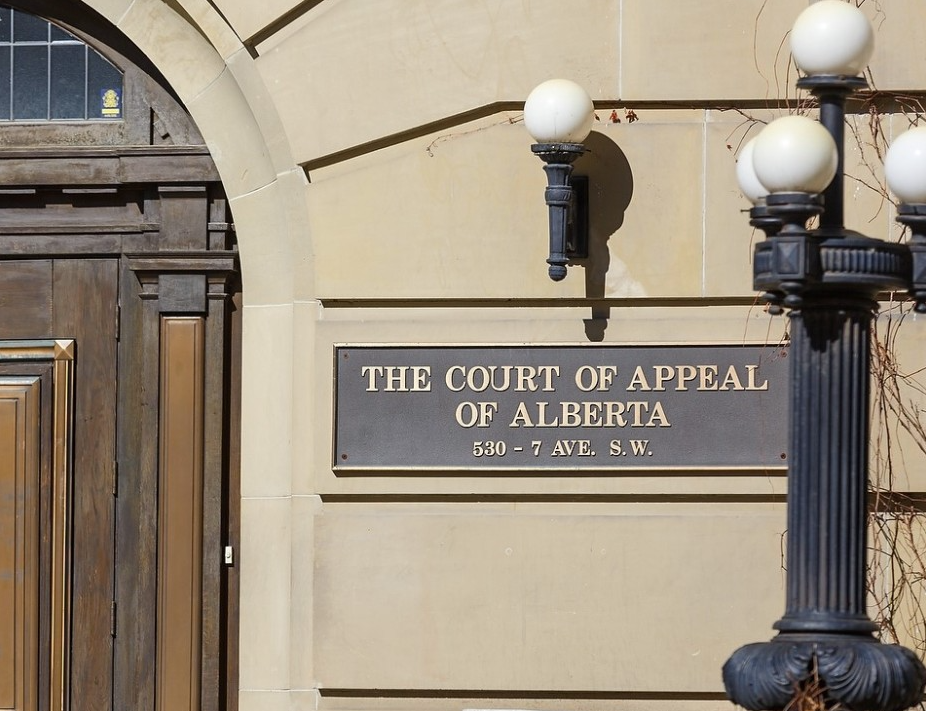
In Reference re Impact Assessment Act, as amended, 2026 ABCA 320, the majority — Justices Michelle Crighton, Jo'Anne Strekaf, Bernette Ho and Jane Fagnan — concluded that the amended Act continues to allow the federal executive branch to make ultimate decisions over projects that are primarily provincial in nature.
"The designated projects part of the IAA and the Regulations are unconstitutional, except insofar as they apply to federal undertakings," the majority wrote.
The majority found that the definition of "adverse effects within federal jurisdiction" in the amended legislation still exceeds the scope of federal heads of power, and that the decision-making framework continues to allow regulation of a project based on non-federal concerns. The court also concluded that severing section 7 of the Act would not be a viable remedy.
Yet another big win for Alberta.
— Danielle Smith (@ABDanielleSmith) October 9, 2026
The Alberta Court of Appeal just ruled that C-69 remains largely unconstitutional.
I’m calling on the Federal Government to accept this ruling, refrain from yet another appeal, and immediately work with Alberta and the other provinces to clean… pic.twitter.com/aiyxRRAO3y
Alberta had argued the amendments made no meaningful change to the designated projects scheme, and that the Act remains an intrusion into exclusive provincial jurisdiction over local works and undertakings, property and civil rights, matters of a local and private nature, and the ownership, development and management of provincial natural resources under The Constitution Act, 1867.
The federal government had taken the position that Parliament addressed each concern the Supreme Court of Canada identified in its 2023 ruling and that the amended Act falls squarely within federal jurisdiction.
Justice Kevin Feehan dissented, concluding that Parliament's amendments in the Budget Implementation Act, 2024, No. 1 and the Physical Activities Regulations adequately addressed the Supreme Court's concerns and that the amended Act is constitutionally within federal jurisdiction.
The ruling is the latest step in a legal dispute stretching back to 2019, when Alberta first referred the original Impact Assessment Act to the Court of Appeal after Parliament passed it. A 2022 majority of the same court found the original Act unconstitutional. The Supreme Court of Canada agreed in October 2023, striking down certain provisions. Parliament amended the Act in June 2024, and Alberta referred the amended version to the Court of Appeal in November 2024. A special hearing was held Feb. 24–26, 2026.
The court issued its opinion Friday morning.